Yes, digital marketing is completely legit. It is a genuine, multi-billion-dollar global industry where real companies use online tools to find customers, make sales, and achieve measurable business growth.
Is digital marketing legit or just another online trick to steal your money? This is a common question because social media is full of fake gurus promising instant wealth.
However, global data proves that online advertising is a highly secure, billion-dollar industry. True internet marketing relies on hard math, data analytics, and creative strategy rather than hidden loopholes.
Real corporations spend massive budgets on digital advertising platforms every single day because these campaigns drive measurable business sales. While online scammers do exist, they do not represent the actual field.
Legitimate brand promotions connect real businesses with paying customers, making the modern industry completely genuine. Every day, small neighborhood shops and massive corporate brands use internet-based promotions to reach their target buyers.
If you see an advertisement on your phone that leads to a real product you can buy, you are looking at a real marketing pipeline. The modern economy depends on this trade to connect creators with shoppers.
To understand how vast and genuine this industry is, we can look at the total amount of money businesses spend on online ads every year. The table below shows the steady growth of global online ad spending leading up to the current year of 2026.
This data proves that major corporations put deep trust in online advertising platforms to drive their daily sales.
| Year | Global Digital Ad Spend (In Billions of USD) | Growth Status |
| 2021 | $522 Billion | Rapid Growth |
| 2022 | $567 Billion | Steady Rise |
| 2023 | $601 Billion | Consistent Expansion |
| 2024 | $645 Billion | High Adoption |
| 2025 | $712 Billion | Major Market Dominance |
| 2026 (Current Year) | $786 Billion | Historic Record High |
When billions of dollars move through an industry every single year, it proves the field is secure and genuine. Large brands like Nike, Amazon, and local shops would not spend their hard-earned money if these methods did not bring them real customers.
The industry is built on computer science, data analysis, and human psychology. It requires real skills, regular testing, and hard work to build a successful career or campaign.
Consider a real-world example like a local food company. In 2021, they might have spent money only on paper flyers. By 2024, they realized that most people look for food options on their mobile devices.
By shifting their money to local internet maps and targeted search terms, they managed to double their weekly orders. This type of real growth happens because the underlying methods rely on verifiable traffic data. Companies can see exactly how much money they spend and how much profit they earn back down to the very last penny.
What Is Digital Marketing?
The basic answer to what is digital marketing is that it is the practice of advertising products, services, or brands using the internet and electronic devices. It covers all advertising efforts that happen on phones, computers, tablets, and any other screen connected to the online world.
When we look deeper into this field, we see that it replaces old-school advertising methods. In the past, companies spent money on paper newspapers, giant highway billboards, and television commercials.
Today, people look at their phones more than they look at billboards. For this reason, businesses have shifted their attention to where people actually spend their time.
Understanding why digital marketing is important for small businesses comes down to this shift in human attention. If a business does not exist online, modern customers will not find it.
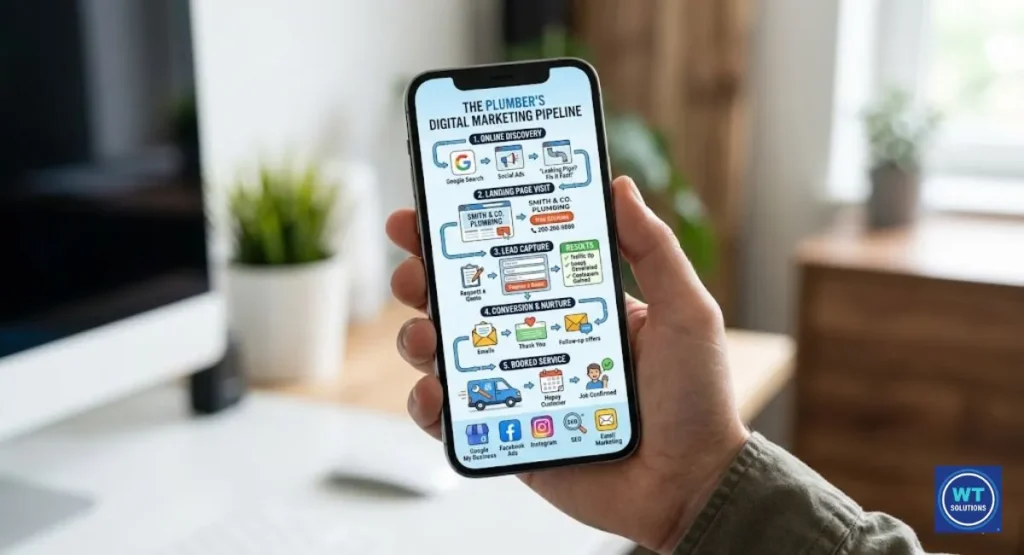
Consider how you find a nearby plumber when your sink breaks down. You do not look in a paper book from twenty years ago. Instead, you unlock your phone and type your problem into a search box.
The businesses that show up at the top of that screen are using active internet marketing to earn your attention.
Online marketing allows a business to talk directly to specific groups of people. For example, a local shoe store can choose to show ads only to people who live within five miles of the shop and who have searched for running shoes online.
This makes online advertising much more efficient than old methods. With a billboard, you pay for everyone to see your ad, even if they do not drive or do not need shoes.
Online ads save money by targeting the exact right buyer. This exact targeting creates a better experience for both the store owner and the shopper.
The store owner does not waste their money showing ads to people who live thousands of miles away. The shopper only sees ads for items they actually want to buy.
Here is a list of the primary business goals that online advertising achieves:
- It builds brand awareness so people recognize a company name when they see it on a shelf.
- It brings targeted visitors to a website to learn about specific services.
- It gathers contact information from people who want to buy products later.
- It increases direct sales through online shopping stores and electronic checkout systems.
- It keeps existing customers happy by sending them helpful updates and customized discount codes.
Types of Digital Marketing

The core branches of online marketing include search engine optimization, paid social media ads, email outreach, and content creation. Each branch serves a specific purpose in helping a business connect with online users.
To truly understand how these pieces fit together, it helps to look at SEO and inbound marketing. This is a method where you create helpful online content so that customers naturally find your business on their own when they search for help.
Instead of interrupting people with loud ads, you give them useful answers through blog posts, videos, and guides.
When a business needs help managing all these different tasks, they often hire an outside expert. This expert acts as what is a marketing partner, which is a professional agency or consultant that teams up with a business to plan, run, and scale their online advertising campaigns over the long term.
A true business teammate works with you to balance your monthly spending across all these different online channels.
The table below provides a detailed comparison of the pros and cons of the main types of online advertising used in the industry today:
| Sending helpful letters and deals to an opt-in subscriber list. | Core Definition | Major Advantages | Key Disadvantages |
| Search Engine Optimization | Optimizing websites to rank high on search results naturally. | Brings free traffic that lasts for years without paying for clicks. | Takes several months to show real results and requires constant updates. |
| Pay-Per-Click Ads | Buying paid ad spots at the top of search pages and social feeds. | Sends immediate visitors to a website the same day you launch. | Stops working the moment you run out of money to pay for the ads. |
| Social Media Marketing | Creating organic posts on platforms like Instagram and TikTok. | Builds a loyal community and allows direct talk with users. | Algorithms change often, which can suddenly lower how many people see posts. |
| Email Marketing | Sending helpful letters and deals to an opted-in subscriber list. | You own the list completely and it costs very little to send messages. | It is hard to build a large list of emails from scratch without spamming. |
| Content Marketing | Making informative blog articles, videos, and free downloadable guides. | Establishes high trust and supports all other marketing types. | Requires great writing skills and lots of time to create high-quality pieces. |
Every business chooses a mix of these types depending on its budget and goals. A new business might use paid ads for fast sales while building up its search engine optimization for free traffic over time.
A balanced strategy uses multiple channels so the business does not rely on just one source of traffic. For instance, a small online clothing brand might buy social media ads to show off its new summer styles instantly.
At the exact same time, they might hire a writer to create deep blog guides about summer fashion trends.
The paid ads bring in quick cash today, while the blog guides help people find the shop for free through web search engines next year. This multi-layered approach keeps the business stable and protected from sudden market drops.
Why Do People Question Digital Marketing’s Legitimacy?
People question the legitimacy of this industry because the internet contains many deceptive offers, get-rich-quick schemes, and low-quality agencies that take money without delivering results.
Because anyone with a computer can claim to be an online expert, the marketplace faces significant trust issues.
When analyzing the challenges with digital marketing, we see that the lack of clear industry entry rules creates confusion. In traditional fields like medicine or law, professionals must earn official degrees and licenses before they can practice.
In the online marketing space, there is no single official board that tests or licenses practitioners. This allows uneducated individuals to open fake agencies, make wild claims, and trick honest business owners.
When these bad actors fail to deliver on their massive promises, the client feels cheated and assumes the entire industry is a scam. This hurts the name of hardworking professionals who use true math and research to support their corporate clients.
Industry Insight: According to a 2026 consumer trust study by the Interactive Advertising Bureau (IAB), over 64% of small business owners express confusion when auditing digital metrics, making transparency the single most critical factor in choosing an agency partner.
Another major challenge is that online marketing metrics can feel invisible to traditional business owners. If a factory owner buys a physical delivery truck, they can touch the truck and see it move goods.
If that same owner spends money on search optimization, they are paying for lines of code, website layout changes, and digital numbers on a screen.
If the marketer does not explain these metrics clearly, the business owner might feel like they paid for nothing but thin air. This gap in understanding makes it easy for tricksters to fill the space with confusing terms that hide a complete lack of real work.
Common Reasons for Doubt
The specific issues that cause widespread skepticism among business owners and the general public include the following detailed points:
- The Rise of Get-Rich-Quick Gurus: Social media platforms are filled with young influencers showing off rented sports cars and luxury mansions. They claim they made millions in a few days using a secret online loop or simple automation trick. They use these fancy videos to sell low-quality courses for thousands of dollars to desperate students. When normal people buy these courses and make no money, they label the entire marketing industry as a fraud instead of blaming the specific scammer who sold them the bad class.
- Hidden Agency Fees and Vague Contracts: Many low-quality marketing agencies sign clients to long-term contracts with confusing words and hidden costs. They do not explain where the actual ad budget goes. A business owner might pay three thousand dollars a month, only to discover later that the agency spent two thousand dollars on their own corporate profits and only one thousand dollars on actual ad placements. This lack of transparency causes high levels of anger and doubt among local business owners.
- Lack of Physical Inventory and Visible Products: Because online marketing deals with clicks, impressions, and digital views, it can feel fake to people who prefer physical items. It requires deep faith in analytical data dashboards, which can be very hard for older or more traditional business owners to accept right away. If an owner cannot physically touch an advertisement, they might worry that the metrics are made up by the agency to keep getting paid.
- Constant Algorithm Changes: Search engines and social platforms change their software rules frequently without warning. A strategy that worked perfectly last month might stop working today because a major tech firm updated its sorting system. This makes results look unpredictable and chaotic, causing some outsiders to think the systems are rigged or fake rather than understanding that digital platforms must change to keep up with user safety.
- Spam and Pop-Up Advertisements: The internet is flooded with annoying, flashy pop-up ads, hidden links, and unwanted promotional emails. Because daily web users strongly dislike dealing with digital spam, they often view the entire field of online advertising as a cheap, annoying trick rather than a professional corporate practice that helps the global economy move forward.
Is Digital Marketing a Pyramid Scheme?

No, digital marketing is not a pyramid scheme. A pyramid scheme is an illegal business setup where the primary way to make money is by recruiting new people into the program for a fee, rather than selling actual goods or services to real users.
In contrast, real online marketing focuses completely on selling genuine items to consumers who actually want them. A digital marketer might help an online clothing brand sell shirts, or help a local plumber find people with leaking pipes.
The marketer gets paid a set fee or hourly rate for their creative work, technical skills, and data management. They never have to recruit their friends, family, or anyone else into a network to earn their living. Their work ends when the client receives more real customer orders.
The confusion happens because some modern Multi-Level Marketing organizations use social media to recruit members. These participants often call themselves digital marketers because they post product links online and use social profiles to look professional.
However, their underlying business model relies entirely on recruitment chains. Real marketing professionals do not participate in recruitment chains; they focus on market research, web design, copywriting, and ad management. They sell products made by established companies to external users who have no connection to the marketing firm.
The table below highlights the structural differences between legitimate online marketing practices and illegal pyramid schemes:
| Strictly illegal and shut down by the federal government. | Legitimate Digital Marketing | Illegal Pyramid Scheme |
| Core Product | Real goods, services, or software solutions. | No product, or a low-quality item used as a cover. |
| Primary Source of Income | Fees paid for professional work or product sales. | Fees taken from recruiting new members down the line. |
| Legality | Fully legal and backed by global corporate laws. | Strictly illegal and shut down by federal governments. |
| Long-Term Business Value | Builds lasting brand equity and true customer assets. | Collapses completely when new recruitment stops. |
| Entry Requirements | Actual technical skills, writing ability, and data knowledge. | A cash payment to buy a starter pack or entry tier. |
To make this completely clear, imagine a local bakery that makes fresh bread. The bakery hires an online advertiser to create a beautiful website and show local map ads to people looking for breakfast options.
The advertiser gets paid a flat five hundred dollars for setting up the campaign. The bakery gets fifty new customers who buy fresh bread every morning.
The advertiser does not ask the bakery owners to recruit other bakeries into a club. The transaction is clean, transparent, and direct. This is how real business commerce works all around the globe.
Top Digital Marketing Scams to Avoid
While the industry is entirely genuine at its core, bad actors constantly look for ways to exploit business owners who do not understand how online platforms work. Knowing the common tricks can save you thousands of dollars and protect your brand identity online.
1. Fake Lead Generation
Fake lead generation is a scam where a dishonest provider sells a business owner a list of customer contacts that consists entirely of fake names, non-working phone numbers, and dead email addresses.
These scammers use automated computer programs called bots to crawl websites and generate fake user profiles. They might also create deceptive online quizzes or fake giveaway pages to trick random people into typing random information just to clear a screen.
The scammer takes this useless data, packages it nicely into a digital spreadsheet, and sells it to an innocent business owner as a premium list of hot leads.
When the business owner tries to contact these people to make a sales call, they find out the phone numbers are disconnected or the people have no idea who the business is. The business owner loses their cash investment and wastes weeks calling fake profiles.
This creates widespread anger and makes business owners afraid to trust real lead generation specialists who use legitimate surveys to collect data.
2. Predatory SEO Schemes
Predatory search engine optimization schemes involve companies that send cold emails, making grand promises to put your website in the number one spot on search engines within a few days or weeks.
These providers use aggressive fear tactics, telling you that your website has massive technical errors that will ruin your business if you do not pay them immediately for an emergency update.
Once they get your money, they either disappear completely or use forbidden tactics known as black-hat techniques. These bad tricks include buying thousands of low-quality links from spam websites or hiding invisible text on your pages to fool search software into thinking your site is popular.
While these tricks might cause a temporary jump in your visibility, search networks quickly catch the fraud.
When caught, the search platform will ban your website from its index, making your business completely invisible to future online customers. Repairing this deep code damage can take years and cost thousands of dollars in expert clean-up fees.
3. Social Media Click Farms
Social media click farms are hidden operations where thousands of low-paid workers or automated computer servers run fake accounts to click, like, follow, and share online profiles for a set fee.
Scammers offer packages where you can buy ten thousand new followers for twenty dollars to make your business look popular fast. When a business owner buys these cheap packages, their follower count goes up instantly, but their actual business never grows.
These fake followers are not real human beings with wallets; they are empty profiles controlled by computer scripts located across the globe. Because they are fake, they will never walk into your storefront, click your product links, or buy your goods.
Furthermore, modern social media networks use advanced security programs to find and delete click-farm accounts every single week. This means your purchased follower count will drop back down quickly, leaving you with an empty wallet, zero new sales, and a permanently damaged brand reputation.
How to Determine if a Digital Marketer or Agency Is Legit
You can check if an agency or individual marketer is genuine by performing a thorough background check on their corporate history, reviewing their legal registrations, and verifying their past customer relationships.
To protect your budget, treat hiring an online marketer the same way you would treat hiring a contractor to build a physical house. Start by asking for their legal business name and checking it against official state or government business registries to ensure they are properly incorporated.
Look up their website domain history using free public tracking tools to see how long their site has been active online. An agency that claims to have twenty years of experience but registered its website domain only two weeks ago is lying to you.
Real professionals operate openly, show their faces on their website, and welcome background questions from potential clients before any contracts are signed. They will gladly walk you through their standard working process so you understand how they plan to spend your money.
How to Spot a Digital Marketing Scam
The table below provides a quick reference guide comparing common scam statements with the actual reality of how the industry operates:
| They are using high-pressure tactics, so you should not research them. | What It Actually Means |
| “We guarantee your site will be number one by next Friday.” | They are using dangerous tricks that will get your site banned. |
| “We have a secret relationship with search engine companies.” | They are lying to make themselves look special and important. |
| “Do not worry about the details, just trust our special process.” | They are hiding a lack of real work and stealing your budget. |
| “You must sign this contract today or the price doubles tomorrow.” | They are using high-pressure tactics so you do not research them. |
| “We can send you one million visitors for only fifty dollars.” | They are buying useless bot traffic from automated click farms. |
What Makes a Digital Marketer or Agency Trustworthy?
Legitimate marketing agencies possess clear structural characteristics that prove their professionalism. Look for these four key trust signs before spending your money:
- Real, Verified Case Studies: Trustworthy agencies share deep case studies that explain a past client’s problem, the exact strategy used to fix it, and the final percentage growth in sales or leads. They show real charts and real timeframes rather than hiding behind vague words or simple text descriptions.
- Live, Auditable Portfolios: A genuine provider can show you links to active websites they currently manage, live ad campaigns running on social platforms that you can check on your own phone, and articles they have written that currently rank high in search results.
- Clear, Simple Reporting Dashboards: Good partners give you direct access to live data tracking software. They show you exactly where every dollar goes and match your ad spend directly to key metrics like website clicks, form sign-ups, and actual product sales so you can calculate your exact return on investment.
- Recognized Industry Certifications: While there is no single college degree required to work in this field, top marketers hold free, verified certifications from major tech companies like Google, Meta, and HubSpot. These certificates show they take the time to study official platform guidelines and pass updated annual exams.
Can You Make Money With Digital Marketing?
Yes, you can make substantial, legal money with digital marketing as an employee, an agency owner, or an independent service provider. Because every modern organization requires an online presence to survive, skilled professionals are in high demand.
The job outlook for skilled internet marketers remains strong. Corporate employment reports show that the need for digital advertising managers will expand by 10% through the year 2026, which is faster than the average for traditional jobs.
Companies are shifting more of their old television budgets into mobile phone ads every single day. This means corporations need workers who know how to manage those budgets without wasting cash on bad placements.
If you know how to read data sheets and write clear ads, companies will compete to hire you for their internal teams.
Corporate Outlook: “The continuous shift from traditional broadcasting to hyper-targeted mobile commerce means that companies are no longer just looking for generic advertisers; they are paying a premium for data-literate growth specialists who understand conversion math.” Senior Marketing Analyst Group, 2026 Report.
When you look at the absolute financial advantages of digital advertising, you see why companies pay high salaries to smart workers. Understanding the balance within the Top 20 Advantages and Disadvantages of Digital Marketing requires serious technical skill, but a good marketer knows exactly how to maximize the benefits. They can turn a ten thousand dollar ad budget into fifty thousand dollars of revenue for a retail store by eliminating wasted ad spend and targeting the highest-intent local buyers.
Because the marketer directly controls the system that brings in cash, their skills are highly valuable to the business owners. Experienced search specialists, paid ad managers, and content directors often earn high corporate salaries or command premium fees from private clients.
The lists below highlight the average career paths and earnings potential within the modern industry:
Common Full-Time Corporate Roles:
- SEO Specialist: Manages website code, layout structure, and keyword articles to get free search engine placement for corporate blogs.
- Paid Ads Manager: Builds, tests, and tracks paid budget campaigns on platforms like Google Ads and Meta Ads to find direct buyers.
- Social Media Director: Creates visual assets, edits short videos, and manages brand communication across major social networks.
- Email Marketing Expert: Designs automated newsletter tracks, writes weekly discount copy, and handles customer data lists for retail brands.
Average Industry Income Models:
- Entry-Level Employee: Earns a steady salary while learning specific platform tools under a senior manager inside an established agency.
- Freelance Specialist: Charges multiple local businesses a set monthly fee per project, allowing for flexible earnings and independent hours.
- Agency Owner: Builds a team of specialized workers to handle large corporate accounts, creating high business revenue and scaling up services.
Is Digital Marketing a Legit Side Hustle?
Yes, it is a highly practical and genuine side hustle because you can start from home using nothing more than a standard computer, an internet connection, and free learning tools.
When you analyze the 10 benefits of digital marketing as a side project, the biggest benefit is low starting costs. You do not need to buy expensive physical inventory, rent an office building, or hire full-time staff.
You can invest your spare evening hours into learning a single, specific online skill like writing helpful blog posts or setting up simple email newsletters.
Once you master that skill using free online video paths, you can offer it to small business owners who are too busy to manage their own online presence. It allows regular people to build a second stream of income without quitting their daytime jobs.
To succeed, you must build a clear framework for new business clients that you serve on the side. Instead of offering every service at once and getting overwhelmed, you can pitch a proven list of 9 marketing strategies for small businesses and help them execute just one or two core tactics to start.
Focus on helping a client fix one clear problem that brings them fast value.
For example, you can find a local restaurant that has an old, broken website and offer to update their basic text and search listings so local families can find their hours on holiday weekends.
This clear, simple approach provides immediate value, builds your confidence, and secures steady monthly payments while you expand your skills over time.
Here is a simple blueprint for starting an online marketing side hustle from home:
- Step: Learn one specific online skill like local search optimization or email writing using free official courses.
- Step: Build a simple personal website to display your skill and share your contact information clearly.
- Step: Offer free help to one local business for two weeks to gain a real, verified case study and a nice review.
- Step: Use that success story to sign your first paying clients on a monthly retainer contract.
FAQs
Is There Real Money in Digital Marketing?
Yes, online advertising drives true business growth, returning an average of 36 dollars for every single dollar spent on email campaigns. Businesses gladly pay high expert salaries because real web campaigns act as steady customer-generating systems that directly increase corporate profits.
What are legitimate digital marketing jobs?
Legitimate jobs include standard corporate roles like Content Writers, Search Engine Optimization Specialists, Social Media Managers, and Paid Ads Analysts. These professionals spend their daily office hours researching search trends, analyzing data traffic sheets, and managing real business budgets.
How do I ensure my digital marketing agency is genuine?
Ask them to share real, live portfolios and check that they give you direct administrative access to your ad accounts. True partners operate with open data transparency and will easily show you exactly where every dollar goes on your monthly reports.
Final Verdict: How Legit Is Digital Marketing?
The final verdict is that digital marketing is a one hundred percent legitimate industry that helps the global economy grow. It is not a trick or a get-rich-quick scam designed to take your savings.
Instead, it is a real business practice focused on tracking web data, improving website designs, and helping real companies find customers. Major brands trust these online systems because the data proves that internet advertising brings in consistent sales.
To stay safe in this online space, you just need to separate professional workers from the fake gurus on social media. Real online growth never happens overnight, and it requires hard work rather than hidden secrets.
Whether you want to hire a marketing partner or start a side hustle at home, always focus on real skills and transparent data dashboards.