Marketing a business used to mean buying expensive newspaper ads, printing paper flyers, or paying for huge billboards on the highway. Today, things are completely different. Most businesses connect with customers online through computers, tablets, and smartphones.
If you want to grow a business today, you need to understand how online marketing works. Like any business tool, selling products online has massive benefits, but it also comes with real problems.
Navigating the online marketplace is essential for business survival today, making it vital to understand the 20 advantages and disadvantages of digital marketing. While developing 9 marketing strategies for small businesses opens doors to global audiences, owners must prepare for major challenges with digital marketing.
Many entrepreneurs wonder, is digital marketing legit for driving long-term sales compared to traditional media? The answer lies in how you balance cheap web reach against fierce web competition. To navigate these complex systems safely without wasting your time, choosing what is a marketing partner can give your store the technical support it needs to grow smoothly.
What Is Digital Marketing?
Digital marketing is the comprehensive process of promoting products or services using electronic devices and the internet. It is an online system where businesses share promotional messages through digital screens rather than physical signs or paper printouts. Whenever a company utilizes web channels to attract buyers, they are participating in this modern form of commercial advertising.
To get the best results today, many small companies look for a reliable marketing partner. What is a marketing partner? A marketing partner is a trusted outside agency or team of experts that helps a business plan, create, and manage its online advertisements and website content.
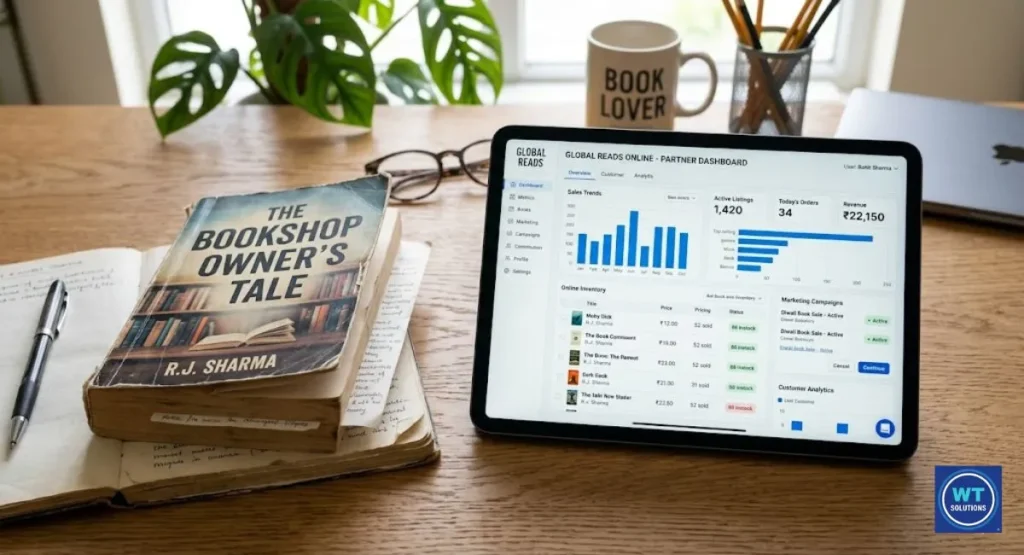
Working with a dedicated specialist allows local owners to focus on making great products while professional creators handle the complicated code, design, and settings on the computer. For instance, a small family bookstore might hire a web professional to run their online catalog.
This simple team approach ensures that the bookstore reaches fresh readers online while the owner stays busy helping readers inside the physical store building.
What Are The Different Types of Digital Marketing?
Online marketing is not just one simple action. It is a collection of several unique methods that work together to help a company grow. To build a successful advertising plan, a business must understand how different channels fit together to solve a customer’s problems.
1. Natural Search Rankings Optimization
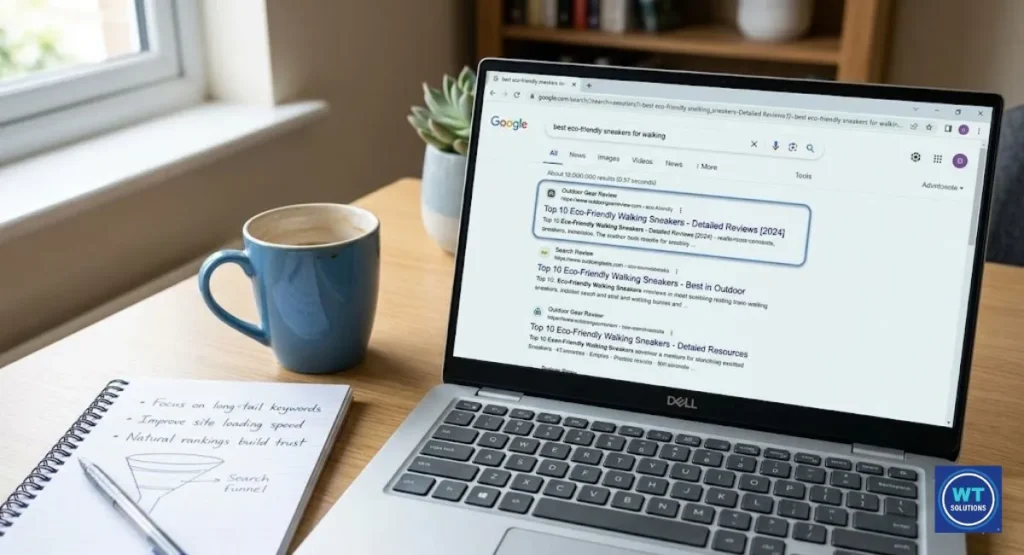
Natural search rankings optimization is the practice of improving your website so it naturally shows up at the top of organic search results when people type questions into internet browsers. It is a long-term method where you build trust with computers and humans by providing the most helpful answers on the web.
When a person searches for a service, search engines scan millions of pages to find the absolute best option. By writing clear, direct articles, a business can rank high without paying for ad space.
It connects your website directly with people who are already looking for what you sell. For instance, if you write a clear guide on how to fix a leaky faucet, people looking for plumbing tips will find your business naturally.
2. Pay Per Click
Pay per click is an online advertising method where a business pays a specific financial fee every single time a web user clicks on one of their promotional links. It is an instant traffic system where you bid on specific words to display your ads at the very top of search pages or along the side of popular web grids.
Instead of paying a massive flat rate for a monthly billboard, you only pay when a consumer actually takes action and visits your site. This makes it very useful for a brand-new shop that needs visitors fast.
If a local pet shop wants to sell birdhouses this week, they can set up a paid link that appears instantly when local users look for bird supplies. However, businesses must watch their daily budgets carefully so they do not spend their money too fast.
3. Social Media Marketing
Social media marketing is the process of using digital social networks to build relationships, share company updates, and talk directly with consumers. It is a conversational style of advertising where brands interact with people on interactive feeds, video boards, and mobile applications.
This method helps a business look human, friendly, and approachable. Instead of just pushing sales messages, a company can post fun videos, answer customer comments, and share customer success stories.
A local fitness center might share daily workout tips on a social feed to keep members excited. This direct line of communication turns regular buyers into loyal fans who share your products with their families.
4. Email Marketing
Email marketing is the system of sending regular digital letters, product announcements, and special discounts directly to an electronic inbox owned by a consumer. It is a private communication channel that relies on a list of people who have explicitly asked to hear from your business.
Because these users gave you permission to message them, they are highly likely to open your notes and buy your products. It remains one of the most reliable ways to turn a one-time store visitor into a loyal customer for life.
A clothing store can use this tool to send a special birthday coupon to subscribers, which makes customers feel special and encourages them to shop again.
5. Content Marketing
Content marketing is the creation and free distribution of educational materials like informative articles, instructional videos, downloadable guides, and helpful pictures. It is an indirect selling strategy where you focus entirely on solving a reader’s immediate problems rather than shouting for a sale.
The main goal is to show the world that you are an expert in your field. When you give away high-quality help for free, consumers learn to trust your name. When they finally decide to spend their hard-earned money, they will choose your company over a stranger.
For example, a lawn care business might publish a free online guide about how to keep grass green during hot summer weeks, proving their deep expertise to local homeowners.
Importance Of Digital Marketing
The true value of online marketing comes down to business survival, fair competition, and matching consumer behavior. In the past, small family shops could never compete with giant national corporations because traditional ads cost way too much money. The internet changes this entirely by creating a fair playing field for everyone.
With a well-designed website and a clear plan, a small neighborhood business can show up right next to a multi-million-dollar brand on a search page. This visibility is vital because modern buying habits have completely shifted.
According to a 2026 digital commerce study, 82% of consumers use online search to research a local business before they ever visit the physical store building. If your shop does not show up online, you are effectively invisible to the vast majority of your local market. Understanding these statistics highlights exactly why digital marketing is important for small businesses looking to survive in a crowded modern marketplace.
Learning to use these online systems is a core part of developing successful 9 Marketing Strategies for Small Businesses.
For example, a local shoe repair shop can use simple online maps, local search articles, and targeted emails to catch the attention of nearby customers. Spreading your efforts across these direct digital channels allows small ventures to connect with modern shoppers right when they are ready to buy.
Top 10 Advantages Of Digital Marketing
The rapid growth of the online economy is driven by massive benefits that physical advertising can never match. Here are the ten biggest advantages of using digital marketing channels to grow your business.
Global Reach
Global reach is the ability of a business to display its products and secure sales anywhere in the world without opening a physical store in that location. It is a borderless system that connects any small business to millions of potential buyers across different countries.
With a basic website and an online checkout system, a person making handmade jewelry in a small rural town can sell their art to a customer in a major global city overnight. For example, a small hat maker in Maine can use a simple website to ship custom winter hats directly to buyers in Europe.
Experienced business owners always double check their shipping settings and international tax rules before opening their website to global buyers to avoid costly border mistakes.
To manage this well, real owners must test their digital shopping carts using real currencies from different countries. You should also set up automatic weight rules in your delivery settings so the computer calculates overseas shipping rates accurately before the buyer pays.
Traditional print advertisements can never achieve this massive scale because paper flyers stay confined to the neighborhood where you drop them off.
Laser-Focused Targeting
Laser-focused targeting is a modern filtering system that lets you display your advertisements only to the exact consumers who are most likely to buy your specific product. It is an efficient way to sort web users by their age, their location, their language, and their personal hobbies.
Digital advertising tools let a specialized business show ads exclusively to people who have already expressed an interest in that exact field. For instance, a local business that fixes antique clocks can set its ads to show up only for web users who live nearby and collect old furniture.
To make this work safely, a professional strategist will always set strict geographic boundaries in the advertising dashboard so you do not waste money showing ads to people who live too far away to visit.
To manage this step, a real owner should check their target audience dashboard once every single month. You must type your specific local postal codes manually into the computer system to lock your ads into the right neighborhoods. This precise targeting prevents you from wasting your advertising budget on the wrong audience.
Highly Cost-Effective
Highly cost-effective marketing means that online platforms can fit into absolutely any business budget, no matter how small or large it is. It is a highly flexible financial system that allows small business owners to start advertising for a few dollars instead of thousands.
You do not need to sign an expensive, scary contract to get started on the web. A new entrepreneur, like a local dog walker, can run targeted social media ads for the cost of a single cup of coffee per day to find nearby pet owners.
A smart step here is to set up a strict lifetime limit on your ad account spending so the computer never accidentally spends more cash than you planned.
To control this safely, a real business owner should type a maximum daily spending limit into their account settings page. You can also connect a separate prepaid debit card to the ad network so the computer can never pull extra cash out of your main store bank account.
This low cost lets small businesses test out fresh ideas and learn what works without risking their entire life savings.
Measurable Real-Time Results
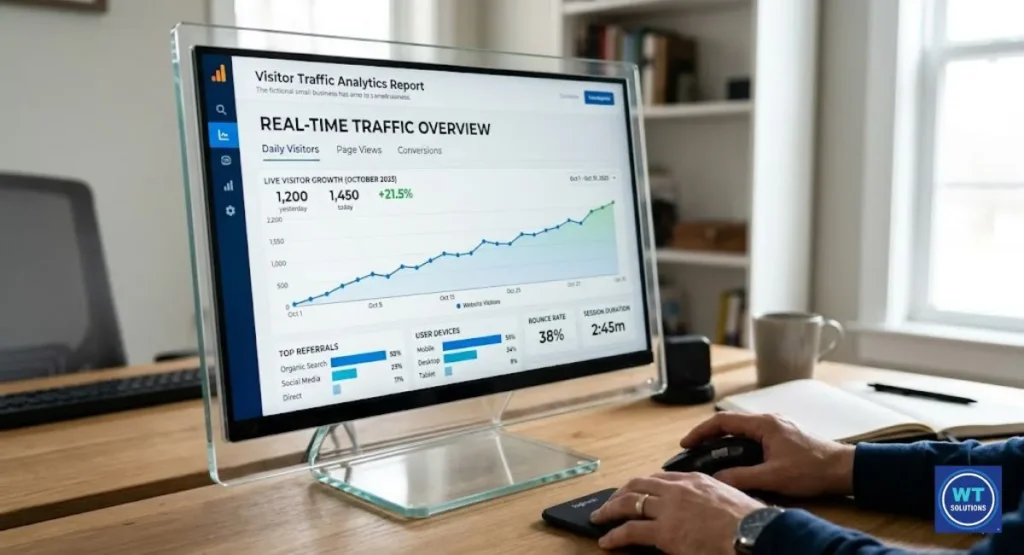
Measurable real-time results are immediate digital data reports that show you exactly how well your advertising campaigns are working at any given moment. It is an analytical tracking system that removes all guesswork from your business growth strategy.
With digital marketing platforms, you can open a computer dashboard and see the exact number of people who opened your message, clicked your link, or completed a purchase within minutes.
For example, a small pizza shop can send an online coupon text and watch exactly how many families click the order button over the next hour. Experienced managers always place a unique tracking link on each campaign to see exactly which text brought in the most dinner orders.
To run this tracking correctly, a business owner should learn to use white-label tracking codes on their main website links. You must paste these small tracking labels onto the end of your web links using a free online tool before you share them with the public. This instant proof helps you make smart business decisions fast.
High Return on Investment (ROI)
A high return on investment means that the money you spend on digital campaigns frequently brings back a much larger amount of business profit. It is a direct result of combining low upfront costs with highly accurate customer targeting.
Because you can track every single penny spent online, you can quickly see which advertisements are making money and which ones are losing money. For instance, an online pottery shop might discover that a ten dollar ad brings in one hundred dollars in vase sales.
To protect your returns, you must check your product stock levels before running an ad so you do not pay for clicks when an item is sold out.
To track this carefully, a real owner must look at their digital sales records every single Friday afternoon. You should manually divide your weekly online profits by your total advertising costs to see which ads are truly helping your store grow.
Business owners can instantly turn off the campaigns that fail and pour more resources into the ones that succeed.
24/7 Marketing Automation
Marketing automation is the use of specialized computer software to run your promotional campaigns smoothly day and night without requiring human management. It is an always-on business system that processes client data and delivers targeted messages around the clock.
You can program your digital tools to automatically send a warm welcome email to new website subscribers, post pre-made updates to your social channels, or process product sales instantly. A local gym owner can use this system to automatically email a digital entry pass whenever a new member signs up at midnight.
It is a vital safety rule to test your automated email links once a week using a personal address to ensure the computer is sending the right messages while you sleep.
To manage this safely, a real owner should perform weekly checks on their message tools. You must sign up for your own newsletter using a dummy email to see if the automated greetings arrive in your inbox within two minutes.
This means your business never closes its doors, allowing you to generate sales while you are eating dinner or fast asleep.
Instant Adaptability
Instant adaptability is the ability to change, pause, or update your live marketing materials in a matter of seconds if a mistake is found or a new trend emerges. It is a highly flexible workflow that keeps businesses agile and responsive to customer feedback.
If you notice a typo in an online article or a paid ad, you can simply log into your dashboard, edit the text, and save the changes. For example, a small toy store can change an online price mistake in less than a minute before any customer gets confused. Always refresh your live browser tab after making an edit to guarantee the public sees the corrected price right away.
To handle this quickly, a real store manager should save all their live website login keys inside a secure password app on their smartphone. You can also run server-side caching tests from your web panel to force the computer network to clear out old pages and display the fresh text instantly.
The updated version goes live for the entire world to see immediately, saving your business reputation from silly mistakes.
Direct Customer Engagement
Direct customer engagement is a two-way communication system that allows businesses and buyers to speak directly with each other across the internet. It is an interactive process that builds deep human relationships and strengthens brand loyalty.
Customers no longer have to wait on hold for hours or send paper letters to ask a simple question. They can leave comments on your social posts, ask questions on your videos, or chat live with a helper directly on your homepage. For instance, a small bicycle shop owner can answer a chat message about tire sizes instantly, helping a confused buyer choose the right product.
To maintain trust, a business owner should turn on mobile phone alerts for customer messages so no question sits unanswered for more than a few hours.
To make this work best, a real business owner should download the official chat application directly onto their smartphone. You must set up a custom greeting inside the application that tells people exactly when you are awake and ready to type back to them.
This rapid, open communication makes your buyers feel deeply valued, heard, and respected.
Hyper-Personalization
Hyper-personalization is the practice of customizing your advertising messages for each individual shopper based on their specific past actions on your website. It is a tailored shopping experience that treats every visitor like an individual instead of a number.
If a customer visits your online clothing store and spends ten minutes looking at a red jacket, your digital systems can automatically send them an email containing a special discount for that exact red jacket.
A local coffee roaster can use this system to send a reminder note to a customer right when they are about to run out of their favorite coffee beans. Make sure your system uses a clean customer database so it never accidentally prints the wrong customer name in the email greeting.
To do this correctly, a real owner must manually inspect their client lists every Sunday night to wipe out broken lines or weird symbols.
You should clean your tracking data by removing double profiles so the computer never sends the same buyer two conflicting discount notes. This smart touch makes shopping much easier for the consumer and dramatically increases your chances of closing a sale.
Long-Term Organic Traffic
Long-term organic traffic is a steady flow of free website visitors that you receive over several months or years because you created high-quality, helpful online content. It is a permanent marketing asset that continues to add value to your business long after it is created.
Unlike paid advertisements that disappear the exact second you stop giving money to the ad network, SEO and Inbound Marketing creates a digital asset that lasts. A deeply researched guide that answers a common customer question will stay on search pages forever, bringing free visitors to your website month after month without any fresh ad spend.
For example, a local accounting firm might write an easy article explaining how small shops can organize their tax papers. A professional writer will review this article once a year to ensure the information matches current laws, keeping the guide accurate for new visitors.
To keep this traffic coming safely, a real business owner must monitor their domain health using free online master tools. You should type your website address into a domain checker once a month to verify that no toxic web spammers are linking to your articles.
That single article written today can easily bring thousands of new leads to your business for years to come without costing you another dime.
Top 10 Disadvantages Of Digital Marketing
While the internet offers amazing benefits, it is not a magical shortcut to success. There are several real challenges with digital marketing that every shop owner faces, and these issues can hurt your business if you do not prepare for them properly. Here are the ten biggest disadvantages of online marketing that every business owner must navigate.
Intense Online Competition
Intense online competition is a global business environment where millions of companies are fighting for the attention of the exact same web users. Because entering the online world is cheap and easy, almost every business on earth has a digital presence today. You are no longer just competing with the shops in your local neighborhood; you are competing with massive global brands that have huge teams of writers.
For example, a local soap maker must fight for web space against giant beauty corporations that spend millions on their website ads. To stand out, you should claim and verify your local map profile so your shop shows up first when nearby neighbors search for your specific goods.
To survive this pressure, a real business owner should search for their own trade on the web once a week using a clean browser window. You must study the top three web rival links to see what prices and services they are displaying to your local community. Standing out in this incredibly crowded digital space requires continuous daily effort, deep research, and products that are genuinely unique.
Unpredictable Algorithm Changes
Unpredictable algorithm changes are sudden, unannounced updates made by tech companies to the computer formulas that decide which websites get shown to the public. These updates can change your traffic patterns instantly without any warning.
A search engine or social media platform might alter its sorting rules overnight, making it hard for small shops to stay visible. For instance, a local bakery that used to get fifty orders a week from social posts might suddenly see that number drop to five because the platform changed its display rules.
To protect your shop from these sudden shifts, you should always back up your customer list on an external drive so you can still reach your buyers if a platform changes its code.
To manage this risk, a real owner should use an automatic tool to export their entire customer roster every Saturday morning. You must download this file into a basic spreadsheet sheet and save it onto a physical memory stick in your store office. Businesses must constantly monitor these shifts and adjust their content to avoid losing their online visibility.
Heavy Time Commitment
A heavy time commitment means that creating great online content, responding to customer questions, and managing daily ad budgets takes a massive number of working hours. It is a demanding process that can quickly drain a business owner’s energy.
Many new entrepreneurs get completely overwhelmed because they try to manage multiple social networks, write weekly articles, and handle email newsletters all by themselves.
For example, a local furniture maker might find themselves spending five hours a day typing on a computer instead of building chairs in their workshop. A smart way to manage your hours is to use a calendar tool to plan and schedule all your web posts on a single morning each week.
To track this time properly, a real business owner must use a free stopwatch app to time their computer work. You should strictly limit your daily computer marketing work to one hour in the early morning so it never steals time from your building tasks.
If you spend all your time working on computer marketing, you have less time to actually manage your physical products and look after your team.
Public Negative Feedback
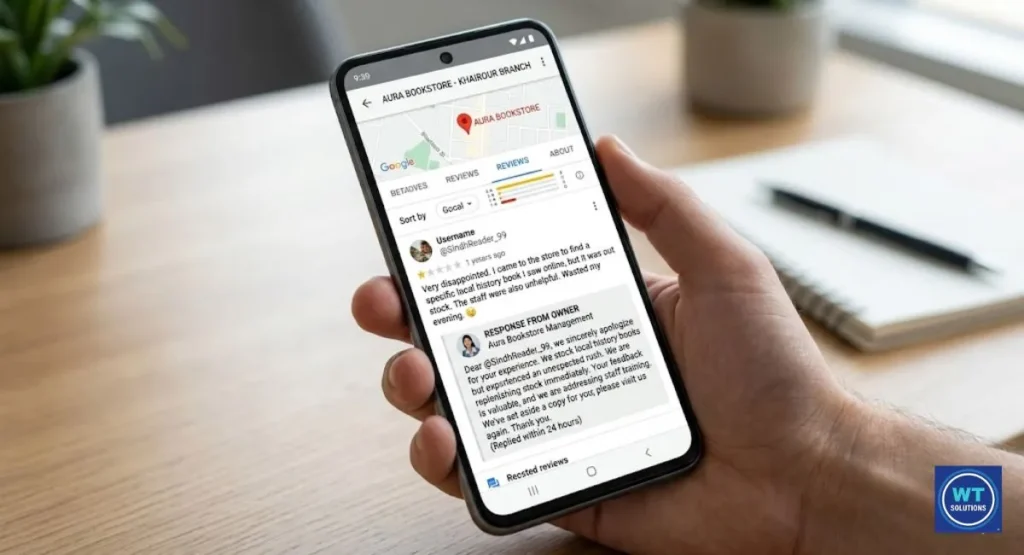
Public negative feedback is an online situation where an unhappy customer can post a harsh review or a severe complaint that thousands of prospective buyers can see instantly. It is a highly visible reputation risk that stays on the web for a long time. In the past, a customer complaint was handled privately over the phone or inside a store office.
Today, a single bad review on a public star-rating page can severely damage your company name in a single afternoon. For instance, if a local cafe drops a plate of food, an angry customer might instantly upload a photo and a mean comment that scares away the weekend crowd.
When an unhappy customer posts a public complaint on a social media page, it can be viewed by over 1,000 potential buyers in a few hours.
This makes clear, professional communication absolutely essential for protecting your business reputation. To handle this risk safely, an experienced owner will establish a clear response plan to reply calmly and offer a quick solution to the customer within twenty four hours, turning a bad review into a display of excellent service.
To do these steps well, a real owner should set up automatic internet alerts for their brand name. You must open the alert dashboard on your computer and type your exact shop name into the notification box so you get a text message the moment any person types a comment about your store online.
Specialized Skill Requirements
Specialized skill requirements mean that running successful online marketing campaigns requires a vast amount of deep technical knowledge and continuous learning. It is a highly complex field that changes almost every single month.
To get the best results, you must learn how to analyze complicated data charts, build clean web pages, write persuasive advertising copy, and safely navigate confusing ad-bidding dashboards.
For example, a local house painter might waste hundreds of dollars on bad ads simply because they do not know how to set up the geographic target buttons on the computer. Before spending real cash on web ads, you should take a free introductory class online to learn how to navigate the software settings safely.
To manage this ongoing test, a real business owner should practice making draft campaigns using zero dollars. You must navigate the computer panels once a week and read the official help files to learn exactly how the tracking pixels attach to your sales forms.
If you do not possess these technical skills, you must spend months studying tutorials or spend a lot of money hiring an expert.
Widespread Use of Ad Blockers
The widespread use of ad blockers refers to millions of internet consumers installing specialized software programs on their web browsers to completely hide paid advertisements from view. It is a defensive consumer trend aimed at cleaning up messy web pages.
If your entire business growth strategy relies solely on displaying paid pop-ups or flashing side banners on websites, a massive percentage of your target market will never see your business. For instance, a local mechanic might pay for web banners, but half of the local drivers using computers will never see them because their web browsers block the ads automatically.
To stay visible, a wise owner balances their budget by writing helpful articles that answer car repair questions, because ad blocking software does not block useful educational content.
To check this issue, a real owner should visit their own website using a browser that has a blocker turned on. You must look at your pages manually to verify that your contact numbers and address details stay visible even when the system blocks your standard side banner ads.
Data Privacy and Legal Risks
Data privacy and legal risks are serious corporate liabilities caused by strict international laws that govern how businesses collect, track, store, and use consumer information online. It is a highly sensitive legal environment that carries severe financial penalties for mistakes.
Governments around the world are actively punishing companies that track users without clear permission or leak customer email lists to hackers.
For example, a small local boutique could face a huge cash fine if they store customer email addresses on an unsecure home computer that gets hacked. You must check your website software weekly to ensure all privacy updates are fully installed and active.
To secure your computer systems properly, a real business owner must buy a secure digital protection lock for their website. You must log into your internet hosting panel every Monday morning and click the security update buttons to ensure that all customer names and email forms are completely scrambled into secret code.
Failing to display a clear privacy policy on your website can lead to massive court fines and complete business ruin.
Ad Fatigue and Banner Blindness
Ad fatigue and banner blindness describe a psychological habit where modern internet users naturally learn to completely ignore advertisements because they see hundreds of them every single day.
It is a protective mental filter that blocks out promotional noise. Most people have seen so many flashing discount signs that their eyes automatically skip over the top and side sections of a web page. For example, a small local gym might run the same blue ad banner for six months, only to find that local residents completely stop noticing it because they are tired of seeing it.
To fix this problem, you should change the images and text colors in your advertisements every few weeks so the graphics look fresh and interesting to viewers.
To manage this cycle well, a real owner should build an online calendar for their ad creative assets. You must design three different layouts with completely different pictures on the first day of each quarter, allowing you to swap the computer files easily the moment your sales numbers begin to slow down.
If your marketing messages look like generic, boring advertisements, consumers will scroll right past them without processing a single word.
Costly Click Fraud
Costly click fraud is a malicious online practice where automated computer programs or direct business competitors intentionally click on your paid search links repeatedly just to drain your daily advertising budget.
It is a hidden financial drain that targets pay per click campaigns. Because you are forced to pay for every single click regardless of who did it, this fraudulent activity can waste hundreds of dollars of your marketing money on fake traffic that will never buy anything.
For instance, a local roofing contractor might find their entire daily ad budget gone by nine o’clock in the morning because a rival company kept clicking their paid link. A smart business manager protects their fund by using special security software that automatically blocks suspicious internet addresses from seeing or clicking your paid links.
To track this theft, a real owner should inspect their internet access logs every evening. You must look for any specific computer numbers that click your web links more than three times in a single minute and manually add those bad numbers into your ad block list. Fraud remains a continuous and expensive challenge for online advertisers.
Total Technology Dependency
Total technology dependency means that your entire marketing strategy relies completely on functional computer hardware, active internet connections, web hosting companies, and third-party software servers.
It is a vulnerable system where a single technical glitch can halt your business. If your website hosting company experiences a major server crash, or if a global social network goes completely dark for an afternoon, your entire marketing pipeline stops working instantly. For example, a local flower shop that gets all its wedding orders through an online form will lose all its sales if their website goes down on a busy Friday morning.
To protect your income, you should set up an automatic monitoring service that sends a text message to your phone the exact second your website stops working so you can fix the issue immediately.
To set this up, a real owner must link their domain name to an online check network. You must type your cell phone numbers into the warning portal so you can quickly switch your client communication to standard phone lines if the computer networks ever stop working. This total reliance on digital tools means that random technical errors translate directly into lost business revenue.
Digital Marketing Advantages And Disadvantages: Side-by-Side Comparison
To help you see the entire online landscape clearly, here is a structured side-by-side comparison showing how the primary benefits and drawbacks balance each other out for a business owner. This table uses short phrases to stay clean and easy to read on mobile phone screens.
| Marketing Advantage | Marketing Disadvantage | What This Means For Your Business |
| Global Reach | Intense Online Competition | You have access to a massive global market, but you must work much harder to stand out from the crowd. |
| Laser-Focused Targeting | Unpredictable Algorithm Changes | Your ads hit the perfect target audience, but a large portion of people will block them out entirely. |
| Highly Cost-Effective | Heavy Time Commitment | You save an immense amount of upfront money, but you must invest a large portion of your personal hours. |
| Measurable Real-Time Results | Public Negative Feedback | You know what works instantly by checking data, but the structural rules of the web can change overnight. |
| High Return on Investment (ROI) | Specialized Skill Requirements | Your digital campaigns bring back larger store profits, but navigating the software setup requires months of learning. |
| 24/7 Marketing Automation | Widespread Use of Ad Blockers | Your digital storefront never closes its doors, but computer software blocks out many paid flashing banners. |
| Instant Adaptability | Data Privacy and Legal Risks | You can fix text mistakes in seconds, but collecting user email lists carries heavy legal duties. |
| Direct Customer Engagement | Ad Fatigue and Banner Blindness | You can talk directly with buyers on your phone, but users often ignore generic advertisements completely. |
| Hyper-Personalization | Costly Click Fraud | You can send custom deals to exact buyers, but bad rivals can click your paid links to waste your cash. |
| Long-Term Organic Traffic | Total Technology Dependency | Your helpful articles bring free visitors for years, but a technical server crash stops your daily income instantly. |
How to Minimize the Disadvantages of Digital Marketing
You do not have to let the negative sides of the internet ruin your business dreams. By adopting a smart, defensive, and modern approach, you can easily protect your company name, save your valuable time, and lower your financial risks.
- Diversify Your Channels: Never put all your financial eggs into a single digital basket. Do not rely exclusively on one social network or one search platform for your customers. Use a healthy mix of search engines, email newsletters, and direct local outreach so that a sudden policy change by one tech company cannot destroy your entire business.
- Focus on Building an Email List: Your social media followers belong entirely to the social platform company, not to you. An email subscriber list belongs completely to your business. Focus on turning casual website visitors into email subscribers so you always maintain a direct, free way to message your buyers.
- Create Unmatched Quality: To defeat intense competition and overcome consumer banner blindness, stop publishing thin, generic articles. Take the time to create comprehensive guides that provide deeper answers, clearer instructions, and more practical help than anyone else in your specific industry.
- Be Transparent About Data Privacy: Clearly explain to your website visitors exactly how you gather and protect their information. Use highly secure, updated payment systems and follow modern encryption rules to keep customer credit card data perfectly safe from online hackers.
FAQs
What is the Importance of Internet Marketing?
Internet marketing is important because it connects your business directly with the exact place where modern consumers spend their time and money. It allows small businesses to compete fairly on a global scale, keep their advertising costs low, and build deep consumer trust through helpful, real-time communication.
What are the Pros of Online Advertising?
The biggest pros of online advertising include the ability to target highly specific customer groups based on their personal hobbies, tracking every cent spent with immediate data reports, launching promotional campaigns with tiny starting budgets, and modifying your ad text instantly if market trends shift.
What are the Cons of Internet Marketing?
The primary cons of internet marketing are facing fierce competition from global corporations, dealing with sudden changes to search engine code formulas, investing a large amount of personal time, risking public negative customer reviews, navigating complex data privacy laws, and relying completely on functional technology.
Summary
So, is digital marketing legit? The answer is absolutely yes. It is the most powerful, affordable, and accessible tool available for growing a modern brand today. However, it is certainly not a hands-off shortcut to instant wealth.
True success requires a business owner to carefully balance the incredible advantages of global reach and low costs against the very real challenges of heavy online competition and unexpected technical updates. When you look closely at the 10 Benefits of Digital Marketing, it becomes clear that the rewards for small businesses far outweigh the risks.
By focusing on creating deep consumer trust, respecting data privacy laws, and spreading your efforts across multiple web channels, you can safely navigate the modern internet and build a successful business that stands the test of time.